Water Damage RestorationHome Repair
Understanding the dehumidification process after water damage
Explore the dehumidification process after water damage and why it's essential for restoring homes in Spokane.
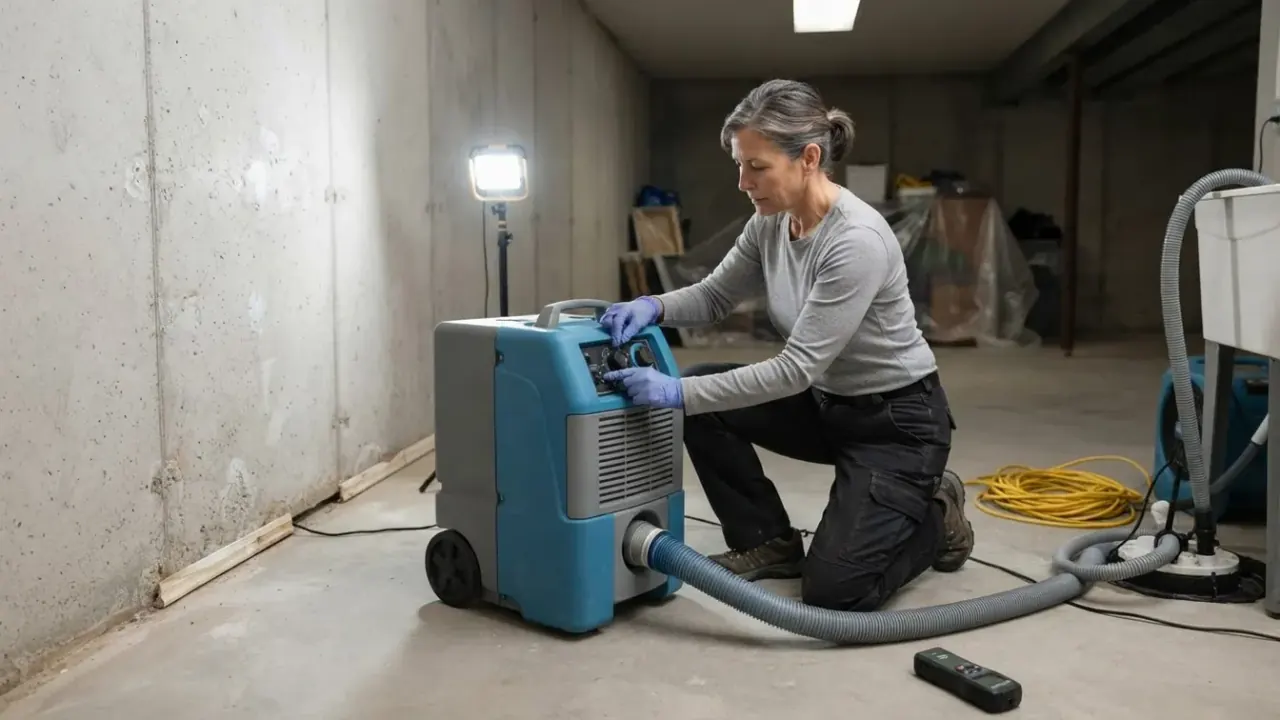
The dehumidification process after water damage is essential for restoring your home effectively. It involves removing excess moisture from the air and materials, preventing further damage and mold growth. This article will guide you through the intricacies of this process, its importance, and steps involved, especially in the Spokane area.
Understanding the dehumidification process after water damage is crucial for homeowners in Spokane, where seasonal rains can lead to unexpected flooding. Proper dehumidification not only speeds up the drying process but also protects your home from long-term damage.
What is the dehumidification process?
The dehumidification process is a method used to reduce humidity levels in a space following water damage. This process is necessary when surfaces and air are saturated with moisture, which can lead to structural damage and mold growth if not addressed promptly.
How does dehumidification help after water damage?
Dehumidification helps by extracting moisture from the air and materials in your home, significantly reducing the drying time after water damage. In Spokane, where humidity levels can fluctuate, effective dehumidification is vital to prevent mold and mildew, which can develop within 24 to 48 hours after water exposure.
Why is dehumidification important after water damage?
Dehumidification is crucial after water damage because it prevents secondary damage. Moist environments can lead to mold growth, which poses health risks and can be expensive to remediate. In 2026, the average cost of mold remediation in Spokane can range from $500 to $3,000, depending on the severity of the infestation.
Steps in the dehumidification process after water damage
The dehumidification process involves several key steps:
- **Assessment**: Inspect the affected area to determine the extent of water damage.
- **Water Extraction**: Remove standing water using pumps or wet vacuums.
- **Drying**: Use dehumidifiers and fans to circulate air and promote evaporation.
- **Monitoring**: Regularly check humidity levels and moisture content in materials.
- **Final Inspection**: Ensure that the area is completely dry before proceeding with repairs.
In Spokane, utilizing dehumidification services can streamline this process, ensuring that your home is restored efficiently.
Common mistakes during dehumidification
Homeowners often make several common mistakes during the dehumidification process:
- **Ignoring moisture sources**: Failing to identify and mitigate the source of moisture can lead to recurring issues.
- **Not monitoring humidity levels**: Without proper tools, it's easy to underestimate the humidity in your home.
- **Rushing the process**: Allowing adequate time for drying is essential to prevent mold growth.
When to call a professional
If you experience significant water damage, such as flooding from heavy rains or burst pipes, it's wise to call in professionals. Spokane Water Damage Pros can provide expert guidance and services to ensure your home is dried effectively and safely.
Frequently Asked Questions
What is dehumidification? Dehumidification is the process of removing excess moisture from the air and materials in a space, crucial after water damage.
How does dehumidification work after water damage? Dehumidification works by using machines that extract moisture from the air, lowering humidity levels and facilitating faster drying.
Why is dehumidification important after water damage? It is vital to prevent mold growth and structural damage, which can lead to costly repairs later.
What to know about dehumidification after water damage in Spokane? In Spokane, timely dehumidification within 24-48 hours is essential to prevent mold and health risks.
Steps in the dehumidification process after water damage? Key steps include assessment, water extraction, drying, monitoring, and final inspection to ensure complete dryness.