
Local GuidesRepair Tips
What to do if you discover mold in your Spokane home
Discovering mold in your Spokane home can be alarming. Here's how to handle it effectively and safely.
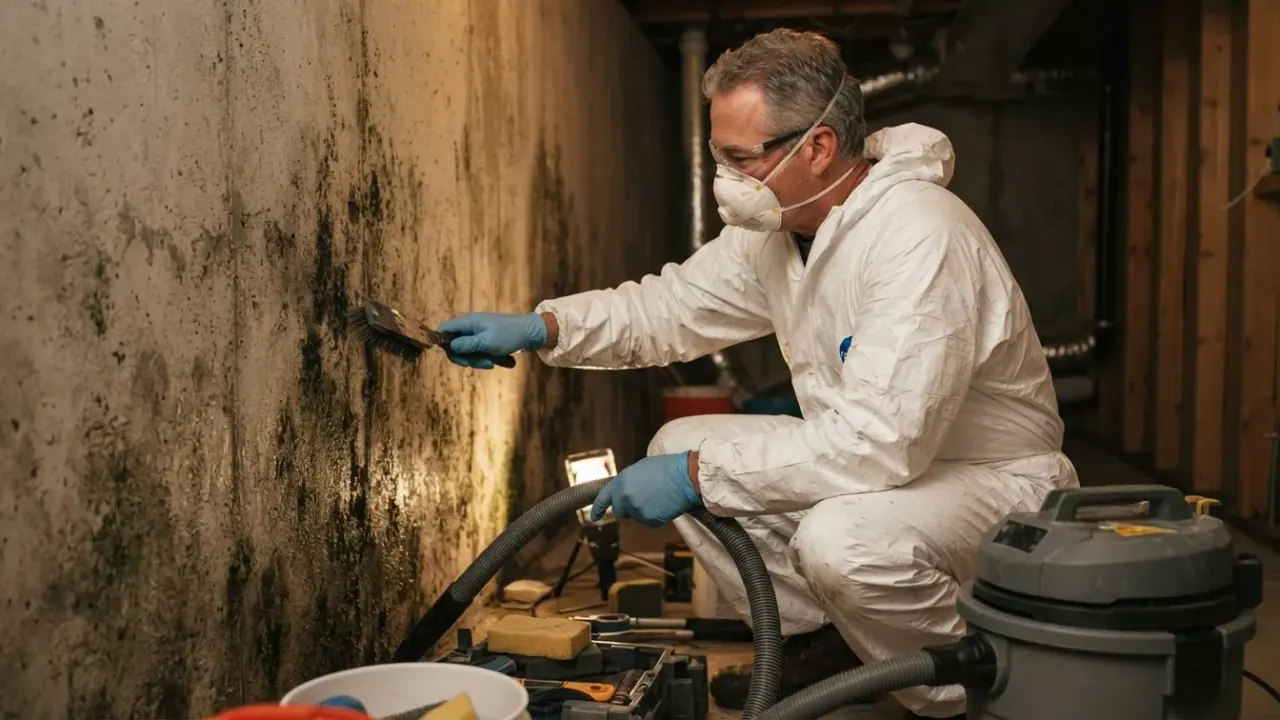
Finding mold in your Spokane home requires immediate attention. The first step is to identify the source of moisture and take action to mitigate it. This article will provide detailed steps to effectively deal with mold, including immediate actions, removal strategies, and when to seek professional help.
What to do if you discover mold in your Spokane home is a critical topic for homeowners, especially given Spokane's humid climate, which can create ideal conditions for mold growth.
What is mold?
Mold is a type of fungus that thrives in damp, warm environments. It can appear in various colors and textures, often found in areas with moisture, such as bathrooms, kitchens, and basements. Mold can cause structural damage to your home and pose health risks to you and your family.
Immediate actions for mold discovery in your Spokane home
Upon discovering mold, your first actions should focus on safety and containment. Here's what to do:
- Ensure your safety by wearing protective gear, including gloves, goggles, and a mask.
- Identify and eliminate the moisture source. This could be a leak, high humidity, or poor ventilation.
- Isolate the affected area. Close doors and windows to prevent spores from spreading.
- Turn off HVAC systems to avoid circulating mold spores throughout the home.
Taking these initial steps can help limit the damage and prevent further mold growth.
How to handle mold discovery in Spokane
Handling mold effectively involves several steps:
- Assess the extent of the mold: Check for visible mold and signs of water damage. If the affected area is larger than 10 square feet, consider professional help.
- Document the damage: Take photos for insurance purposes. This can be crucial if you decide to file a claim.
- Remove contaminated materials: Dispose of any porous materials that cannot be cleaned, such as drywall or carpeting.
For many homeowners, understanding mold remediation services in Spokane can provide clarity on professional options available.
Mold removal steps for Spokane homeowners
Once you've contained the area and assessed the damage, follow these mold removal steps:
- Clean hard surfaces: Use a mixture of water and detergent to scrub mold off hard surfaces. For tougher mold, consider a solution of one cup of bleach to one gallon of water. Ensure the area is well-ventilated.
- Dry the area: Use fans and dehumidifiers to dry the area completely. Mold thrives in damp conditions, so this step is crucial.
- Monitor for recurrence: Keep an eye on the area for any signs of mold returning. If it does, it may indicate a persistent moisture problem.
For ongoing moisture control, consider dehumidification services in Spokane to help maintain a dry environment.
Common mistakes when dealing with mold
Homeowners often make mistakes that can exacerbate mold issues:
- Using bleach alone to clean mold without addressing moisture issues.
- Ignoring hidden mold behind walls or under carpets.
- Failing to wear proper protective gear during cleanup.
Avoiding these mistakes can save time and reduce health risks associated with mold exposure.
When to call a professional
If the mold covers a large area or you have health concerns, calling a professional is advisable. Spokane Water Damage Pros offers expert Water Damage Restoration services in Spokane that include mold assessment and remediation.
Frequently Asked Questions
What should I do first if I find mold in my home? The first step is to identify the source of moisture and contain the area to prevent further spread.
How can I safely remove mold from my home in Spokane? Use protective gear and clean surfaces with a detergent solution. For larger infestations, consider professional help.
What are the health risks associated with mold in homes? Mold can cause respiratory issues, allergic reactions, and other health problems, especially in sensitive individuals.
How long does it take to remove mold? The time varies based on the extent of the infestation but typically takes a few days to a week for thorough remediation.
Can I prevent mold from returning? Yes, by controlling humidity levels, ensuring proper ventilation, and addressing leaks promptly, you can significantly reduce the risk of mold returning.